Lifting load, rated capacity, maximum working radius, maximum lifting height — these parameters are critical for developing lifting plans and technical solutions.
Components of the lifting load: The weight of the object being lifted (equipment or structure) in its hoisted state plus the weight of the slings and rigging hardware (for mobile cranes, this typically also includes the weight of the hook block and the weight of the hoist rope hanging from the boom tip to the hook). For example, the lifting load for a crawler crane is the sum of the weight of the equipment being lifted (including any reinforcements and lifting lugs), the weight of the slings (rope slings), the weight of the hook block, and the weight of the hoist rope hanging from the boom tip.
2. Calculated Load
(1) Dynamic Load Factor
A coefficient that accounts for the additional load impact on the lifting equipment caused by the motion of the crane during hoisting. In lifting engineering calculations, this influence is factored in using the dynamic load factor. Typically, the dynamic load factor is taken as K₁ = 1.1.
(2) Imbalanced Load Factor
When two or more lifting devices (such as multiple cranes or multiple pulley systems) jointly lift a single load, additional loads may act on the cranes, the load, and the rigging due to their relative motion, or because the devices may not work in perfect synchrony, causing each branch not to share the load exactly as intended. In lifting engineering, this effect is accounted for by the imbalanced load factor. Typically, the imbalanced load factor is taken as K₂ = 1.1 to 1.25.
(3) Calculated Lifting Load
The calculated lifting load (abbreviated as the calculated load) is equal to the dynamic load factor multiplied by the lifting load. In lifting and rigging engineering, the calculated load is commonly used as the basis for design calculations. In the design of lifting operations involving multiple cranes lifting a single piece of equipment, the calculated load for one crane, taking into account the effects of load motion and load imbalance, is generally calculated using the following formula:
Qj = k₁ × k₂ × Q
Where:
3) Rated Capacity
(1) The maximum lifting capacity of the crane at the selected boom length and working radius must be greater than the calculated lifting load (Qj).
(2) When two lifting devices are used simultaneously to lift a single load, it is preferable to use cranes of the same type or with similar performance characteristics. The load should be distributed rationally based on the lifting capacity of each device. The total lifted weight should not exceed 75% of the sum of the allowable lifting capacities of the two devices. The load on any single lifting device should not exceed 80% of its safe working load.
Maximum Working Radius
The maximum working radius is the crane’s maximum lifting radius, which corresponds to the radius at its rated capacity.
Maximum Lifting Height
The maximum lifting height must satisfy the following requirement:
Hm > H₁ + H₂ + H₃ + H₄
Where:
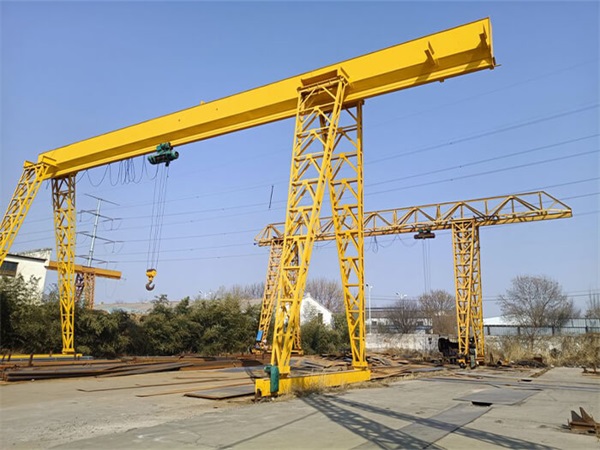
MH type electric hoist gantry crane is used together with CD MD model electric hoists.
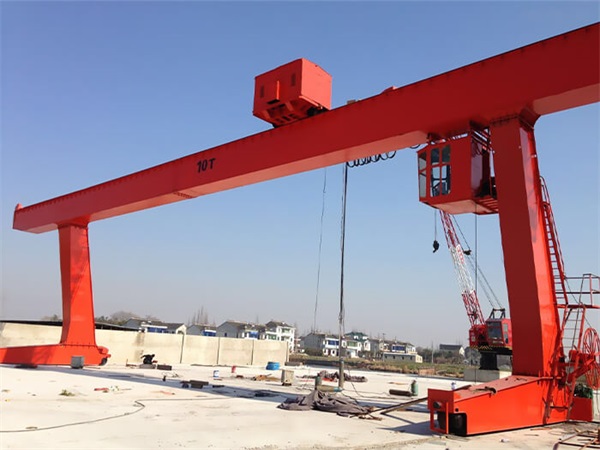
L Type electric hoist gantry crane match with CD1/ MD1, HC type Electric Wire rope hoist, to lifting and transporting the heavy materials, mainly use indoors and outdoors.
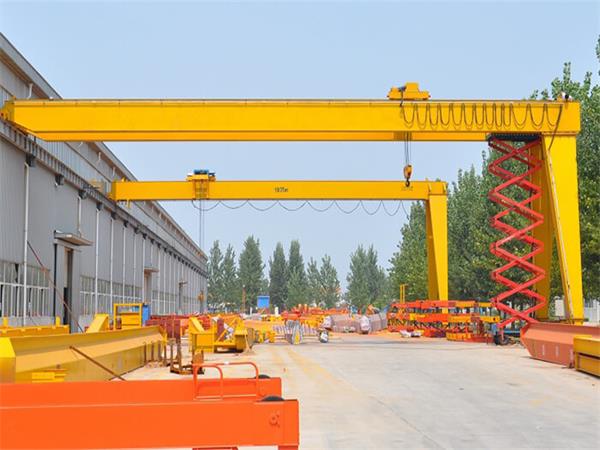
BMH Type Semi Gantry Crane is a bridge-type crane whose bridge is supported on the ground track through outriggers on both sides.
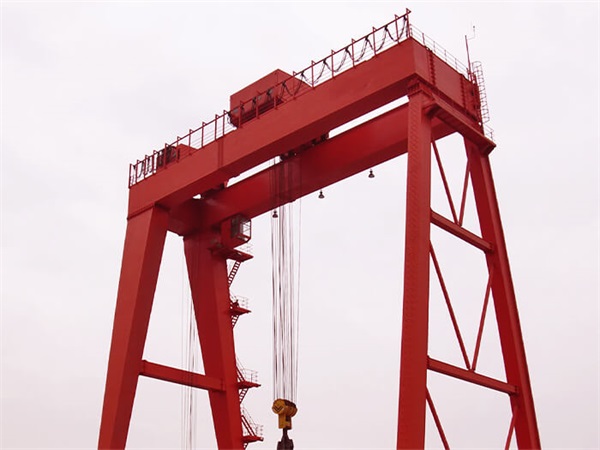
A-type Double Beam Hook Gantry Crane, It is mainly composed of a gantry (main beam, outriggers, lower beam, etc.), a lifting mechanism, a running mechanism and an electronic control part.
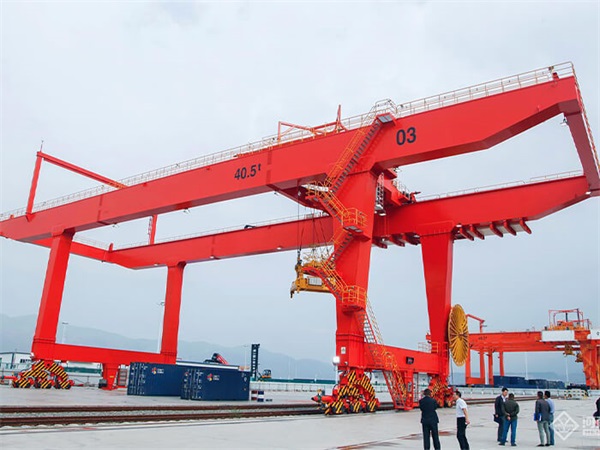
The rail-mounted container gantry crane (English abbreviation RMG) is one of the special machines for container yards.
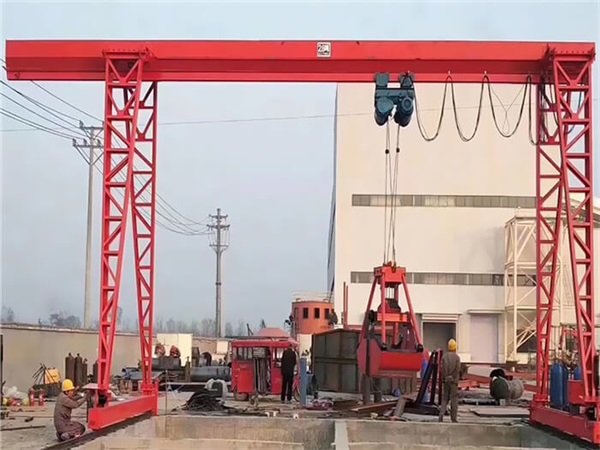
MZ Type Double-beam Grab Gantry Crane are mainly used in conjunction with bridge cranes, port cranes, and winches. They are widely used in ports, power plants, docks, chemical industries, etc. to grab various types of loose accumulations, such as ore, coal, slag, etc.
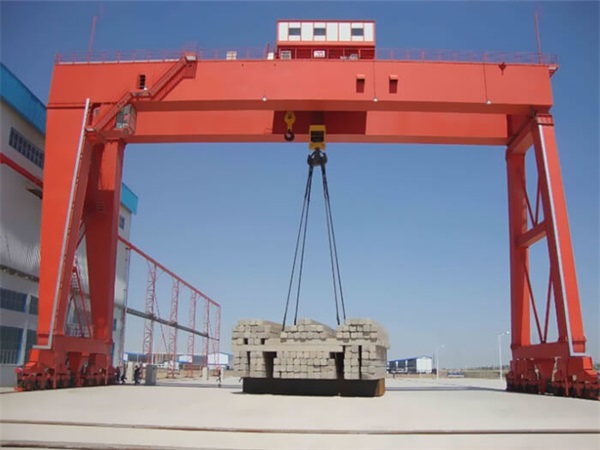
Winch Gantry Crane are used in open warehouses, windy areas, material stocks area, bridge building, concrete industry, cement plant, granite industry, construction industry, engineering industry, port, transportation, construction, dockyard, and other building sites for lifting and loading unloading objects.
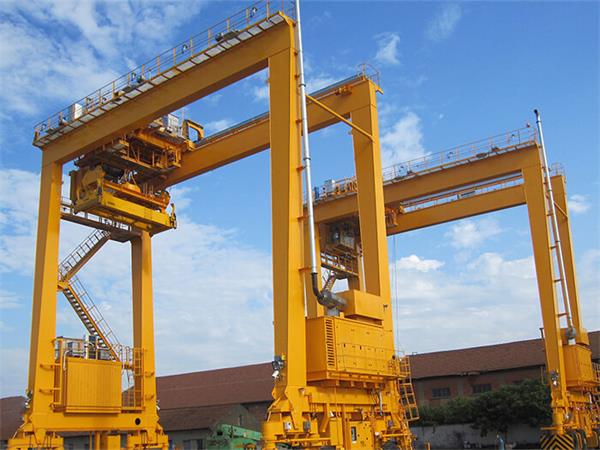
U Type Subway Turn Slag Hook Gantry Crane also known as subway slag flipping machine, slag flipping gantry crane, slag flipping gantry crane, etc., is a specialized gantry crane used for excavation in subway and tunnel construction projects.
We design cranes that meet your needs. Whether you need to increase safety, maximize production capacity or reliability, or reduce costs, we deliver.
