How to Prevent Overturning and Collision Accidents

01
 
22
,
2026
News
Share

Introduction to RTG Cranes

A Rubber Tired Gantry Crane (RTG) is a mobile container gantry crane used for stacking and transporting containers in ports, rail yards, and intermodal hubs. Known for its mobility and high space utilization, the RTG is currently evolving toward eco-friendly (hybrid/electric) and intelligent (autonomous) upgrades. However, due to its “tire-based movement and high-portal structure,” safety management is paramount.


I. Core Measures to Prevent Overturning Accidents

Overturning is the most severe risk for an RTG. Main triggers include overloading, eccentric loading, unstable ground, and excessive wind loads.

1. Load Control and Operational Limits

  • Strict Load Management: Use overload limiters that trigger an alarm at 90% of the rated capacity and cut power at 110%.
  • Avoid Eccentric Loading: Ensure the cargo’s center of gravity aligns with the spreader. Eccentricity should not exceed 5% of the rated load.
  • Smooth Operation: Avoid “sudden starts or stops.” Turning speeds must be kept below 3km/h to prevent inertia-driven center-of-gravity shifts.

2. Ground and Equipment Stability

  • Ground Bearing Capacity: RTGs must operate on flat, solid ground with a bearing capacity of at least 250kPa. Avoid soft soil or gravel pits.
  • Equipment Inspection: Daily checks on tire pressure, leg deformations, and connection bolts are mandatory. Monthly stress tests on the main girder and legs ensure an anti-overturning safety factor of ≥1.5.

3. Wind Load Protection

  • Wind Speed Monitoring: Install anemometers. Stop operations if wind speeds exceed 10.8m/s.
  • Anchoring Systems: When out of service, use anti-wind wedges, rail clamps, and anchoring devices to secure the crane against high winds (up to 20.7m/s).

II. Key Measures to Prevent Collision Accidents

Collisions often occur due to blind spots or operational errors involving trucks, personnel, or other cranes.

1. Physical Isolation and Workspace Planning

  • Dedicated Lanes: Clearly mark RTG operation zones with a width of at least the “turning radius + 1.5m.”
  • Safety Buffers: Maintain a distance of ≥1m from container stacks and ≥3m from buildings/warehouses.

2. Smart Anti-Collision Technology

  • Blind Spot Monitoring: Install 360° cameras and millimeter-wave radar or laser sensors. These systems should automatically trigger alarms or reduce speed when obstacles are detected within 5m.
  • GPS and TOS Integration: Connect to the Terminal Operating System (TOS) for real-time tracking. If two RTGs come within 10m of each other, the system should notify dispatchers immediately.
  • Limit Switches: Use hard limit switches to prevent the trolley or spreader from hitting the portal frame or stack edges.

3. Operational Standardization

  • The “Trial Lift” Rule: Before full hoisting, lift the load 30cm off the ground and pause for 5 seconds to check brakes and stability.
  • Certified Personnel: Operators and ground commanders must hold valid certifications and use standardized hand signals or radio protocols.

III. Lifecycle Maintenance and Management

1. Comprehensive Maintenance Schedule

  • Daily: Check braking systems, hydraulic leaks, and safety alarms.
  • Monthly: Perform weld inspections and verify tire wear.
  • Annually: Conduct Static Load Tests (1.25x rated) and Dynamic Load Tests (1.1x rated).

2. Emergency Readiness

Develop emergency plans for “uncontrolled movements in high winds” or “potential tilts.” Conduct quarterly drills to improve the crew’s response to overloads or collision scenarios.

3. IoT and Smart Management

Implement a Smart Monitoring Platform using IoT to collect real-time data on load, wind speed, and position. This allows for “pre-incident intervention” by pushing alerts to management before a tragedy occurs.
We are here to help you
You are welcome to : phone call, Message, Wechat, Email& Seaching us, etc.
Phone / Whatsapp: +8618697309577

Hot Products

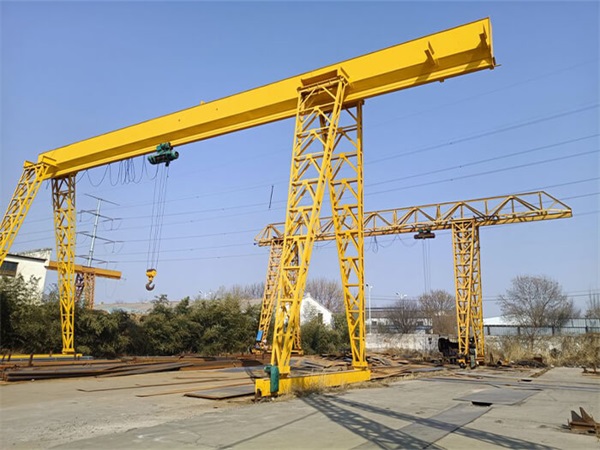
MH Type Electric Hoist Gantry Crane

MH type electric hoist gantry crane is used together with CD MD model electric hoists.
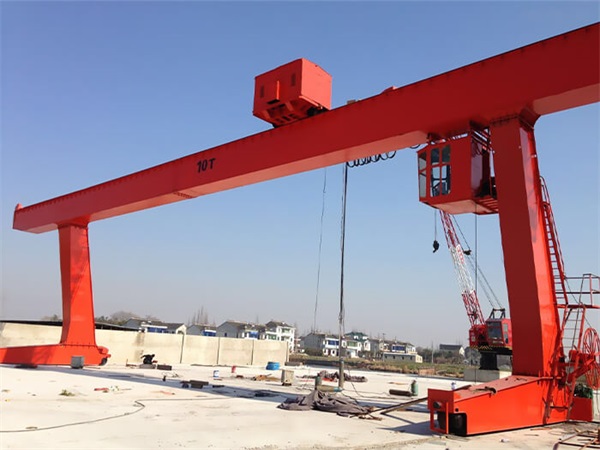
L Type Electric Hoist Gantry Crane

L Type electric hoist gantry crane match with CD1/ MD1, HC type Electric Wire rope hoist, to lifting and transporting the heavy materials, mainly use indoors and outdoors.
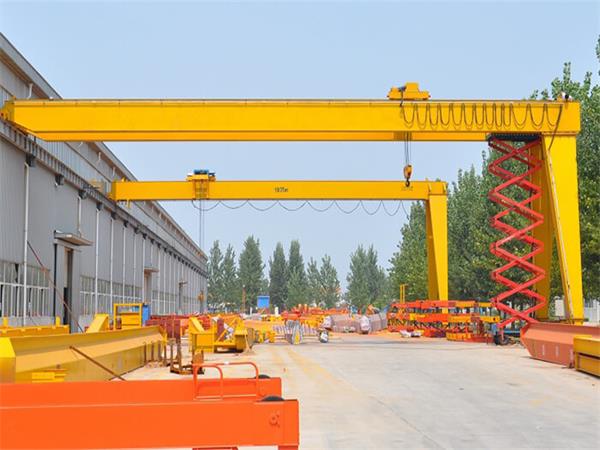
BMH Type Semi Gantry Crane

BMH Type Semi Gantry Crane is a bridge-type crane whose bridge is supported on the ground track through outriggers on both sides.
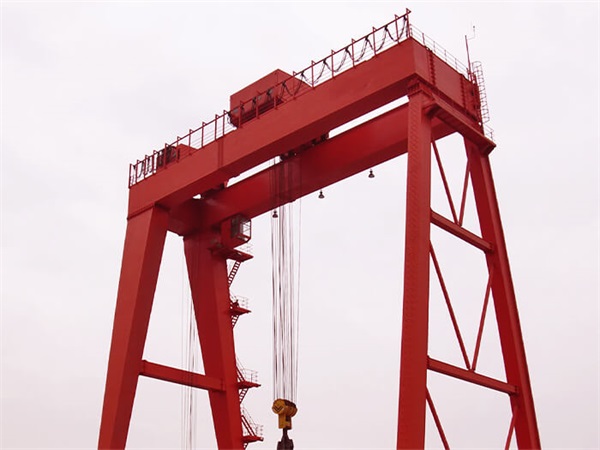
A Type Double-beam Hook Gantry Crane

A-type Double Beam Hook Gantry Crane, It is mainly composed of a gantry (main beam, outriggers, lower beam, etc.), a lifting mechanism, a running mechanism and an electronic control part.
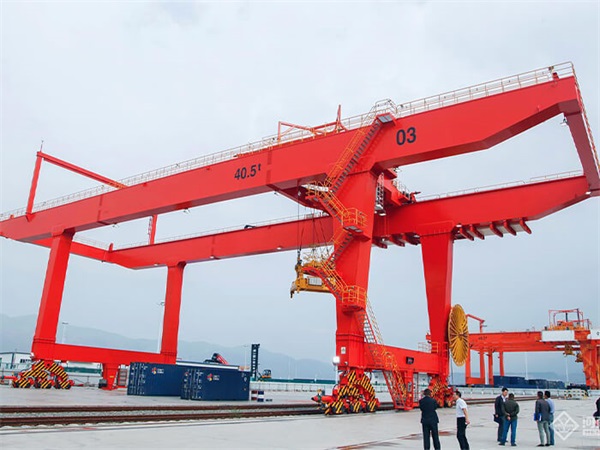
RMG Type Upper Rotation Rail-mounted Container Gantry Crane

The rail-mounted container gantry crane (English abbreviation RMG) is one of the special machines for container yards.
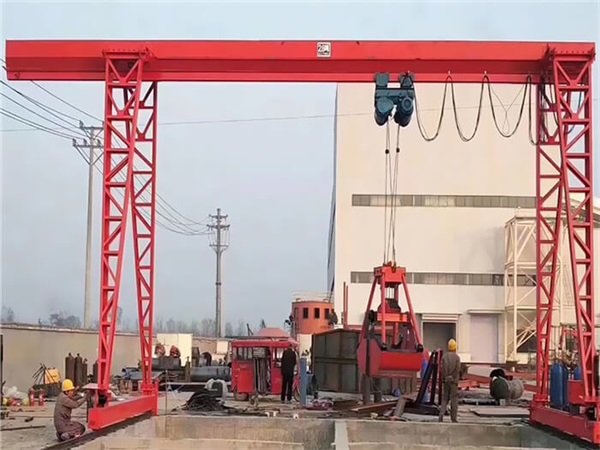
MZ Type Double-beam Grab Gantry Crane

MZ Type Double-beam Grab Gantry Crane are mainly used in conjunction with bridge cranes, port cranes, and winches. They are widely used in ports, power plants, docks, chemical industries, etc. to grab various types of loose accumulations, such as ore, coal, slag, etc.
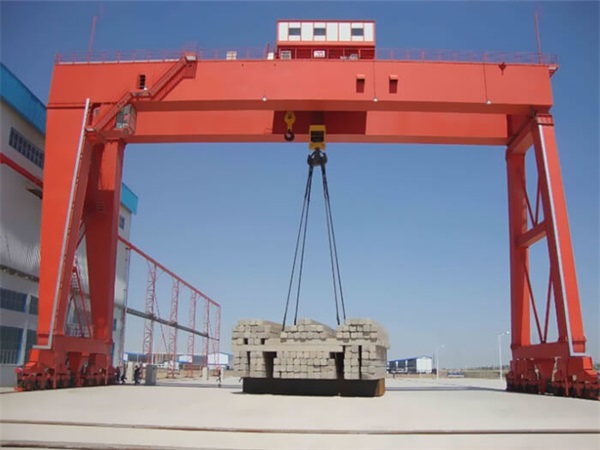
50~100t Winch Gantry Crane

Winch Gantry Crane are used in open warehouses, windy areas, material stocks area, bridge building, concrete industry, cement plant, granite industry, construction industry, engineering industry, port, transportation, construction, dockyard, and other building sites for lifting and loading unloading objects.
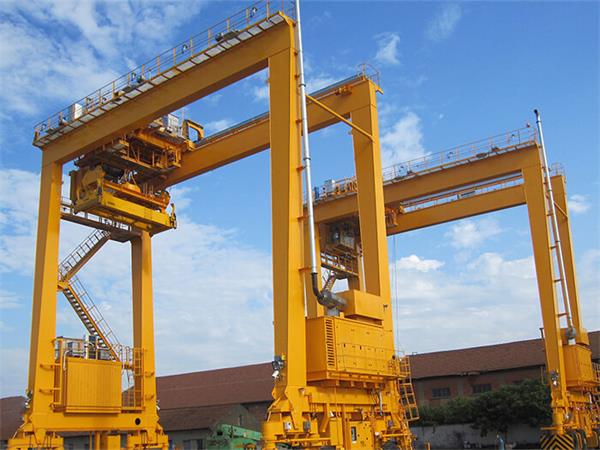
U Type Subway Turn Slag Hook Gantry Crane

U Type Subway Turn Slag Hook Gantry Crane also known as subway slag flipping machine, slag flipping gantry crane, slag flipping gantry crane, etc., is a specialized gantry crane used for excavation in subway and tunnel construction projects.

CUSTOM DESIGNED CRANES JUST FOR YOU.

We design cranes that meet your needs. Whether you need to increase safety, maximize production capacity or reliability, or reduce costs, we deliver.

Online Whatsapp Message Email