Lifting electromagnets are widely used in steel mills, scrap yards, metal processing plants, warehouses, and other heavy industrial facilities. By generating a magnetic field, an electromagnet can lift and move suitable ferromagnetic materials without using conventional hooks, slings, or mechanical clamps.
However, not every lifting electromagnet is suitable for every steel product.
Steel plates, steel coils, billets, bars, and scrap metal have different shapes, dimensions, temperatures, and surface conditions. These factors directly affect magnetic lifting performance.
So, how do you choose the right lifting electromagnet?
The key is to match the magnet design with the material, load weight, dimensions, temperature, lifting method, and working frequency.
A lifting electromagnet is an electrically powered lifting device that uses electromagnetic force to attract and hold ferromagnetic materials.
It is usually suspended from an overhead crane, gantry crane, or other lifting equipment.
A typical lifting electromagnet system includes:
When electrical current passes through the magnet’s coils, a magnetic field is generated. The magnetic field attracts suitable ferromagnetic materials and allows the crane to lift them.
When the magnetic field is released according to the operating procedure, the load can be discharged.
Lifting electromagnets are primarily designed for ferromagnetic materials.
Typical applications include:
The magnetic properties of the material are important.
Common non-ferrous metals such as aluminum, copper, and brass generally cannot be lifted using a conventional lifting electromagnet.
Steel plate lifting is one of the common applications for electromagnets.
A magnet designed for steel plates generally needs to provide an appropriate magnetic contact area to achieve reliable lifting performance.
Important parameters include:
Thin steel plates can be more difficult to lift because magnetic force may not be transferred in the same way as with thick plates.
Therefore, the magnet should be selected based on the actual plate dimensions and thickness rather than only the maximum weight.
Steel billets are compact and relatively heavy steel products commonly found in steel production and metal processing facilities.
Billet lifting electromagnets are designed according to billet dimensions and operating temperature.
Important factors include:
For hot billets, a high-temperature lifting electromagnet specifically designed for the application may be required.
The manufacturer should be informed of the maximum billet temperature before selecting the magnet.
Steel bars and reinforcing bars can also be handled using electromagnetic lifting systems.
Compared with flat steel plates, long bars and rebar have different contact characteristics.
A suitable magnet configuration may allow multiple bars to be lifted together, depending on:
For bundled steel products, the actual bundle configuration is particularly important when calculating the required magnetic lifting capacity.
Scrap steel is one of the most common applications for lifting electromagnets.
An electromagnet can quickly collect ferromagnetic scrap from a pile and transport it to another location.
Typical applications include:
However, scrap steel is often irregular in shape.
This means the actual magnetic lifting capacity can vary significantly depending on the material arrangement and air gap.
For large and irregular scrap, a grab bucket may be more appropriate in some applications.
The air gap is one of the most important factors affecting electromagnet performance.
Air gap refers to the effective distance between the magnet’s working surface and the steel material.
A flat steel plate can provide relatively good contact with the magnet.
Irregular scrap, curved materials, rust, dirt, or gaps between individual pieces can increase the effective air gap.
As the air gap increases, the available magnetic force can decrease.
Therefore, the rated capacity of a lifting electromagnet should not automatically be interpreted as the actual lifting capacity for every material and working condition.
Selecting an electromagnet based only on the weight of the load is not sufficient.
The following parameters should be considered:
Determine whether the material is ferromagnetic and identify its type.
Provide the maximum lifting weight rather than only the average load.
Important dimensions include:
Consider whether the magnet can make sufficient contact with the material.
Hot steel products may require specialized high-temperature electromagnets.
If the magnet operates continuously or performs many lifting cycles per hour, the duty requirements should be considered during selection.
Material temperature can significantly affect the design of a lifting electromagnet.
Cold steel products may include:
Standard electromagnets may be suitable when the operating temperature remains within the manufacturer’s specified range.
Hot steel products may include:
High-temperature applications may require specially designed electromagnets with appropriate thermal protection and operating specifications.
The customer should provide the maximum material temperature when requesting a quotation.
Electromagnets and mechanical grabs are both used for heavy material handling, but they work differently.
| Factor | Lifting Electromagnet | Mechanical Grab |
|---|---|---|
| Lifting Principle | Magnetic attraction | Mechanical gripping |
| Ferromagnetic Material Required | Yes | No |
| Loose Steel Scrap | Suitable | Suitable |
| Non-Ferrous Material | Generally unsuitable | Suitable |
| Small Steel Pieces | Highly suitable | Depends on material |
| Irregular Large Scrap | Performance depends on air gap | Often suitable |
| Electrical Power | Required | Depends on grab type |
| Pickup Speed | Fast for suitable materials | Depends on grab design |
For ferromagnetic scrap that needs to be picked up quickly, an electromagnet can be an efficient solution.
For mixed or non-magnetic materials, a mechanical grab may be more appropriate.
Because a conventional electromagnet relies on electrical power to generate magnetic force, the power supply and control system are important parts of the lifting system.
A complete system may include:
For critical lifting applications, the consequences of unexpected power loss should be considered during system design.
The appropriate backup or load-retention solution depends on the electromagnet type, crane configuration, applicable safety standards, and project requirements.
Operators should always follow the manufacturer’s operating procedures.
A lifting electromagnet can be installed on different types of cranes.
This configuration is commonly used in:
The overhead crane provides lifting and horizontal movement, while the electromagnet performs material pickup.
A gantry crane with an electromagnet can be used in outdoor yards and open storage areas.
It can be suitable for:
The crane structure, lifting capacity, electrical system, and magnet should be designed as a complete system.
When requesting a quotation, providing detailed information can significantly improve the accuracy of equipment selection.
Recommended information includes:
Photos and videos of the actual material can also be useful, especially for irregular scrap.
Electromagnets can be used for handling steel plates, billets, bars, scrap, and other ferromagnetic products.
They can quickly collect and transfer scrap steel between storage and processing areas.
Electromagnets can be integrated with overhead cranes for loading, unloading, and storage operations.
They can assist with moving steel plates, cutoffs, bars, and other steel products between processing stations.
Specialized electromagnets can be used for handling rails, steel components, and other heavy ferromagnetic products.
The electromagnet itself is only one part of the handling system.
Efficiency can be improved by matching the magnet with the crane and operating process.
For example:
Steel Scrap → Electromagnet → Overhead Crane → Sorting Area
or:
Steel Plate → Electromagnet → Overhead Crane → Processing Line
For larger facilities, additional technologies may include:
The appropriate automation level depends on the production process and required handling capacity.
A lifting electromagnet can provide an efficient solution for handling ferromagnetic steel products, but the correct magnet must be selected according to the actual material and operating conditions.
Steel plates, billets, bars, rebar, steel coils, and scrap steel have different lifting characteristics. Factors such as material weight, dimensions, temperature, magnetic properties, contact area, air gap, and handling frequency all affect the required electromagnet design.
For indoor applications, an overhead crane with a lifting electromagnet is a common configuration. For outdoor yards, a gantry crane with an electromagnet can provide a flexible material handling solution.
When selecting a lifting electromagnet, do not consider rated lifting capacity alone. The complete system should be evaluated based on the material, working environment, crane parameters, power supply, and applicable safety requirements.
Providing detailed material information, dimensions, temperature, and operating conditions to the manufacturer is the best starting point for selecting an appropriate lifting electromagnet.
A lifting electromagnet is used to lift and transport ferromagnetic materials such as steel plates, steel coils, billets, bars, cast iron, and scrap steel.
It depends on the grade and magnetic properties of the stainless steel. Not all stainless steel is strongly ferromagnetic. The actual material grade should be confirmed before selecting an electromagnet.
A conventional lifting electromagnet is generally not suitable for aluminum or copper because these materials are non-ferromagnetic.
Important factors include material type, material thickness, load weight, contact area, air gap, material temperature, and the electromagnet’s design.
Yes. Lifting electromagnets are widely used for handling ferromagnetic scrap steel. However, irregular scrap can create air gaps that reduce the effective magnetic lifting force.
Lifting electromagnets can be installed on suitable overhead cranes and gantry cranes. The crane capacity, lifting height, electrical system, and magnet specifications should be matched.
The manufacturer should know the material type, maximum weight, dimensions, thickness or diameter, temperature, lifting frequency, crane parameters, power supply, and working environment.
Conventional lifting electromagnets require electrical power to generate their magnetic field. The power supply and any required backup or safety system should be considered during system design.
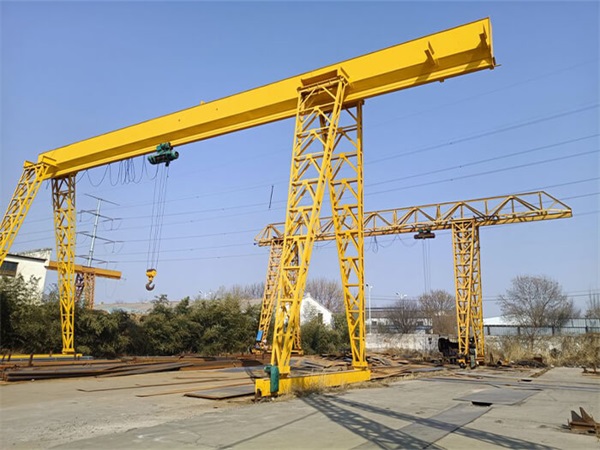
MH type electric hoist gantry crane is used together with CD MD model electric hoists.
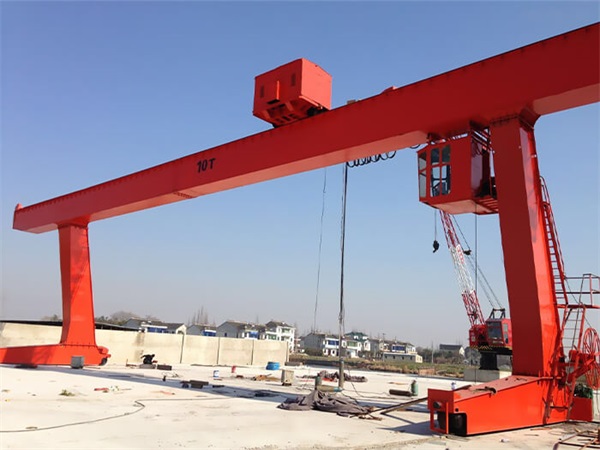
L Type electric hoist gantry crane match with CD1/ MD1, HC type Electric Wire rope hoist, to lifting and transporting the heavy materials, mainly use indoors and outdoors.
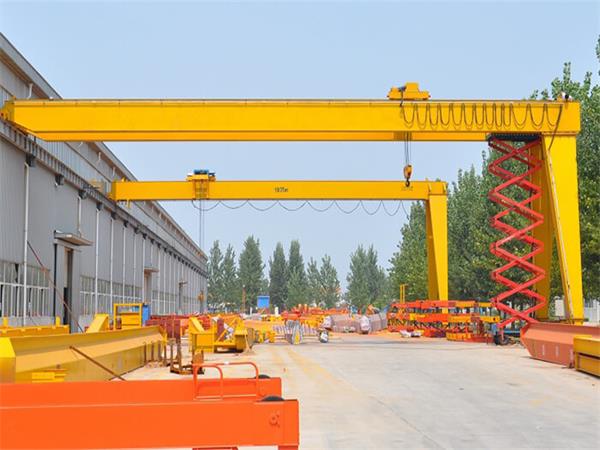
BMH Type Semi Gantry Crane is a bridge-type crane whose bridge is supported on the ground track through outriggers on both sides.
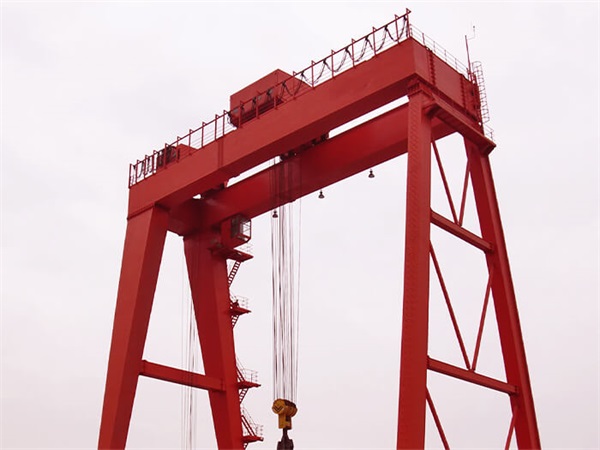
A-type Double Beam Hook Gantry Crane, It is mainly composed of a gantry (main beam, outriggers, lower beam, etc.), a lifting mechanism, a running mechanism and an electronic control part.
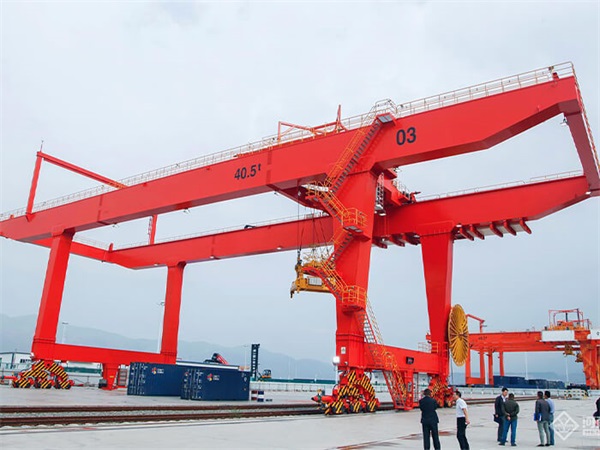
The rail-mounted container gantry crane (English abbreviation RMG) is one of the special machines for container yards.
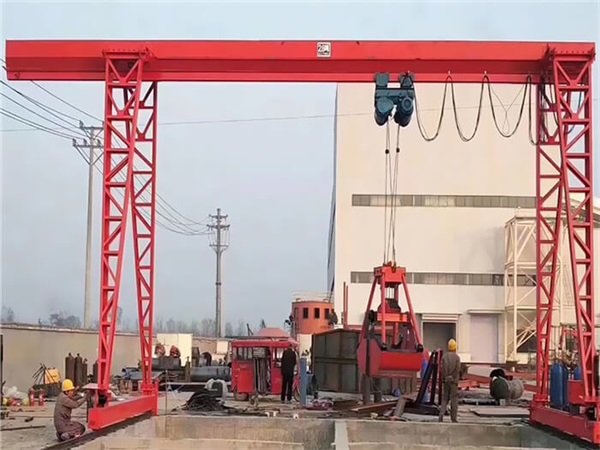
MZ Type Double-beam Grab Gantry Crane are mainly used in conjunction with bridge cranes, port cranes, and winches. They are widely used in ports, power plants, docks, chemical industries, etc. to grab various types of loose accumulations, such as ore, coal, slag, etc.
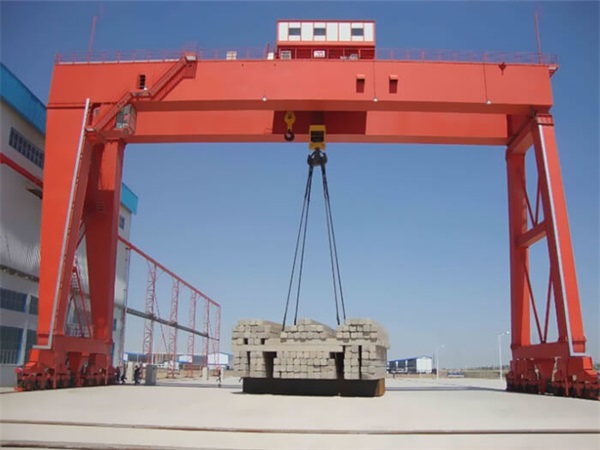
Winch Gantry Crane are used in open warehouses, windy areas, material stocks area, bridge building, concrete industry, cement plant, granite industry, construction industry, engineering industry, port, transportation, construction, dockyard, and other building sites for lifting and loading unloading objects.
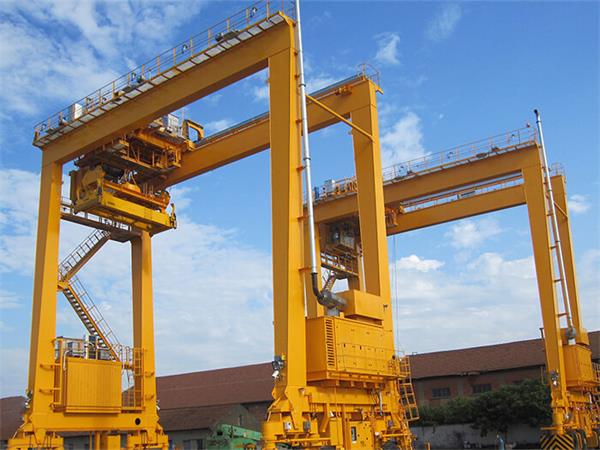
U Type Subway Turn Slag Hook Gantry Crane also known as subway slag flipping machine, slag flipping gantry crane, slag flipping gantry crane, etc., is a specialized gantry crane used for excavation in subway and tunnel construction projects.
We design cranes that meet your needs. Whether you need to increase safety, maximize production capacity or reliability, or reduce costs, we deliver.
