An electric hoist is one of the most important components of many overhead cranes and gantry cranes. It is responsible for lifting and lowering loads and directly affects the crane’s lifting capacity, speed, reliability, and operating efficiency.
Electric hoists are available in different configurations, including electric wire rope hoists, electric chain hoists, European-style wire rope hoists, explosion-proof hoists, and metallurgical hoists.
Choosing the right electric hoist requires more than simply matching the lifting capacity. Factors such as lifting height, working class, lifting speed, load characteristics, working environment, power supply, and installation method should also be considered.
This guide explains the main types of electric hoists and the key factors to consider when selecting a hoist for an overhead crane or gantry crane.
An electric hoist is a powered lifting device used to raise and lower loads.
A typical electric hoist consists of:
When the electric motor operates, the transmission system drives the drum or chain wheel. The wire rope or chain moves the hook vertically, allowing the load to be lifted or lowered.
Electric hoists can be installed on:
The two most common types are wire rope hoists and chain hoists.
An electric wire rope hoist uses a steel wire rope wound around a drum.
It is commonly used for medium- and heavy-duty lifting applications.
Typical advantages include:
Wire rope hoists are widely used in:
An electric chain hoist uses a load chain instead of a wire rope.
It is generally compact and suitable for applications where the lifting capacity and lifting height are relatively moderate.
Typical applications include:
| Factor | Electric Wire Rope Hoist | Electric Chain Hoist |
|---|---|---|
| Lifting Capacity | Medium to very heavy | Light to medium |
| Lifting Height | Suitable for greater heights | Generally more limited |
| Structure | Larger | Compact |
| Typical Application | Cranes and heavy industry | Workshops and light industry |
| Continuous Operation | Suitable for demanding applications | Suitable for appropriate duty classes |
| Installation | Overhead cranes, gantry cranes, monorails | Jib cranes, monorails, small lifting systems |
The final selection should be based on the manufacturer’s specifications and the actual working conditions.
Lifting capacity is one of the most important parameters when selecting an electric hoist.
The rated capacity must be sufficient for the maximum load that the hoist is required to lift.
For example, if a crane needs to lift loads up to 10 tons, the hoist should be selected according to the required rated lifting capacity and applicable safety requirements.
The total lifted load may also include:
Therefore, the lifting system should be evaluated as a complete assembly rather than considering the load alone.
Lifting height refers to the vertical distance that the hook needs to travel.
When selecting an electric hoist, consider:
For factories with limited headroom, a low-headroom or compact hoist configuration may help maximize the available lifting height.
Lifting speed affects loading efficiency and production cycle time.
Different applications require different speeds.
For example:
Some electric hoists can be equipped with variable-frequency drives (VFDs) to provide smoother acceleration, deceleration, and positioning.
The working class of an electric hoist should match how frequently and how intensively the equipment will be used.
Important factors include:
A hoist used several hours every day in a production line may require a different duty classification from a hoist used occasionally for equipment maintenance.
Selecting the correct duty class can help avoid unnecessary equipment costs while ensuring reliable operation.
European-style electric hoists are designed with compact dimensions and modern mechanical and electrical configurations.
Depending on the model, features may include:
They can be used for:
European hoists can be considered when available headroom and precise load positioning are important design requirements.
Some industrial environments contain potentially hazardous gases, vapors, dust, or other materials that require specially designed lifting equipment.
In such applications, an explosion-proof electric hoist may be considered.
Depending on the required certification and application, explosion-proof equipment may incorporate specially designed:
The exact explosion-protection requirements depend on the hazardous-area classification and applicable local standards.
Customers should provide the working environment and required certification when requesting an explosion-proof hoist.
Metallurgical industries can involve high temperatures, heavy loads, dust, and frequent lifting operations.
Specialized metallurgical hoists can be designed for demanding applications such as:
Depending on the design, additional protection may be provided for critical components exposed to high-temperature working conditions.
The actual temperature, load type, lifting frequency, and operating environment should be provided when selecting a metallurgical hoist.
When an electric hoist is used with an overhead crane, the hoist must be compatible with the crane structure and trolley.
Important parameters include:
For a standard factory material handling application, an electric wire rope hoist can be installed on a single-girder or double-girder overhead crane depending on the load and design requirements.
Electric hoists are also widely used on gantry cranes.
A typical system consists of:
Gantry Crane + Trolley + Electric Hoist
The hoist performs vertical lifting, while the trolley travels horizontally along the main girder.
This configuration can be used for:
For heavier loads, a double-girder gantry crane with a suitable wire rope hoist or winch system may be considered.
Before selecting an electric hoist, the available power supply should be confirmed.
Important electrical parameters include:
Common industrial power supplies vary by country and project.
Therefore, customers should provide their local power supply requirements before equipment production.
The electrical configuration should be confirmed between the customer, crane manufacturer, and electrical supplier before finalizing the order.
The braking system is an important part of an electric hoist.
Common safety-related components may include:
The actual configuration depends on the hoist model and applicable standards.
All safety devices should be inspected and maintained according to the manufacturer’s instructions.
Before requesting a quotation, prepare the following information:
Providing complete technical information allows the manufacturer to recommend a suitable hoist configuration.
Electric hoists are widely used in industrial material handling.
Used for lifting:
Used for:
Specialized hoists can be used for:
Electric hoists can be installed on suitable gantry cranes or other lifting systems for material handling.
Compact electric chain hoists can be suitable for lifting motors, pumps, machine components, and other maintenance loads when the required capacity is appropriate.
Choosing the right electric hoist is an important part of designing a safe and efficient lifting system.
Electric wire rope hoists are widely used for overhead cranes, gantry cranes, and other medium- and heavy-duty applications. Electric chain hoists provide a compact solution for lighter industrial lifting applications.
For specialized environments, European-style hoists, explosion-proof hoists, and metallurgical hoists can be selected according to the specific working conditions and applicable standards.
Before selecting a hoist, consider:
A correctly selected electric hoist should be matched not only to the load but also to the complete crane system and the actual working conditions.
Electric wire rope hoists are commonly used for overhead cranes, particularly for medium- and heavy-duty applications. The final choice depends on lifting capacity, lifting height, duty class, crane design, and operating conditions.
A wire rope hoist uses a steel wire rope wound around a drum, while a chain hoist uses a load chain. Wire rope hoists are commonly selected for higher capacities and greater lifting heights, while chain hoists provide a compact solution for many lighter-duty applications.
Determine the maximum load that must be lifted and consider the weight of any lifting accessories. The selected hoist must comply with its rated capacity and the applicable safety requirements.
Important information includes lifting capacity, lifting height, lifting speed, working frequency, crane type, crane span, power supply, working environment, indoor or outdoor installation, and any required certification.
Yes. Electric hoists can be installed on suitable gantry crane trolleys. The hoist and crane must be designed to work together according to the required capacity, lifting height, trolley configuration, and duty class.
An explosion-proof hoist may be required in hazardous environments where flammable gases, vapors, dust, or other potentially explosive atmospheres are present. The required protection level should be determined according to the site’s hazardous-area classification and applicable regulations.
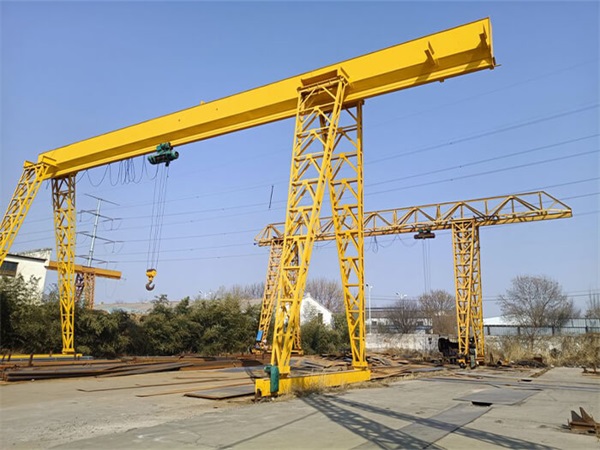
MH type electric hoist gantry crane is used together with CD MD model electric hoists.
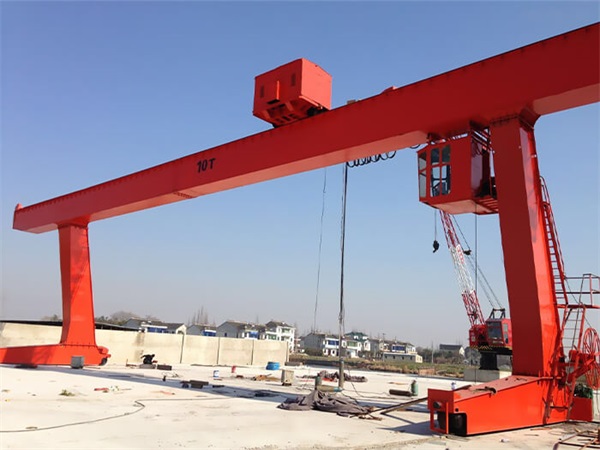
L Type electric hoist gantry crane match with CD1/ MD1, HC type Electric Wire rope hoist, to lifting and transporting the heavy materials, mainly use indoors and outdoors.
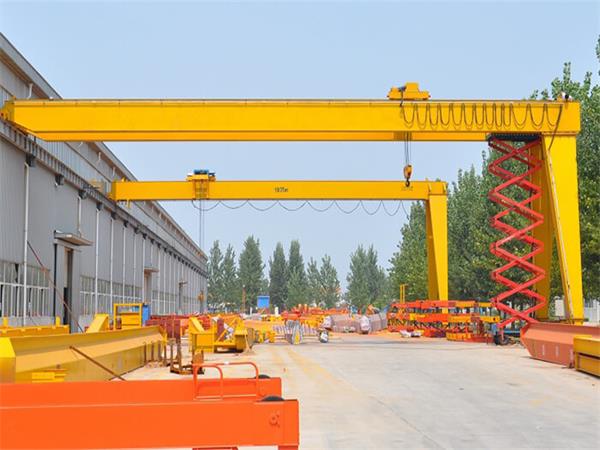
BMH Type Semi Gantry Crane is a bridge-type crane whose bridge is supported on the ground track through outriggers on both sides.
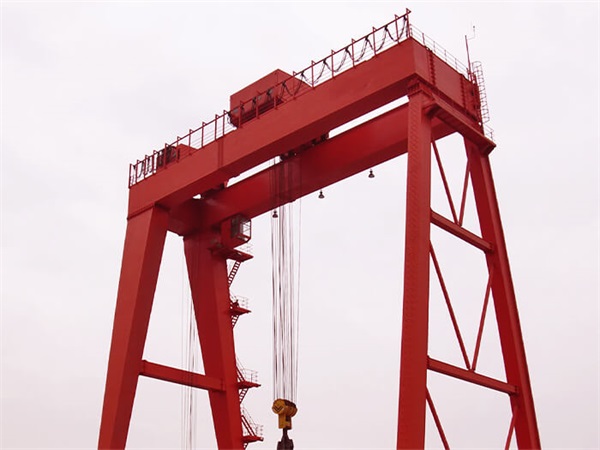
A-type Double Beam Hook Gantry Crane, It is mainly composed of a gantry (main beam, outriggers, lower beam, etc.), a lifting mechanism, a running mechanism and an electronic control part.
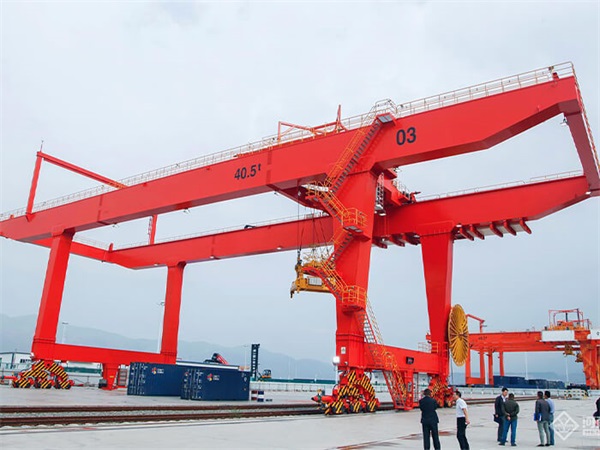
The rail-mounted container gantry crane (English abbreviation RMG) is one of the special machines for container yards.
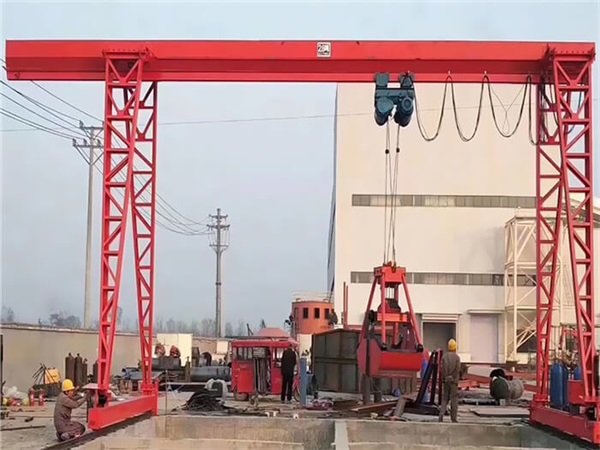
MZ Type Double-beam Grab Gantry Crane are mainly used in conjunction with bridge cranes, port cranes, and winches. They are widely used in ports, power plants, docks, chemical industries, etc. to grab various types of loose accumulations, such as ore, coal, slag, etc.
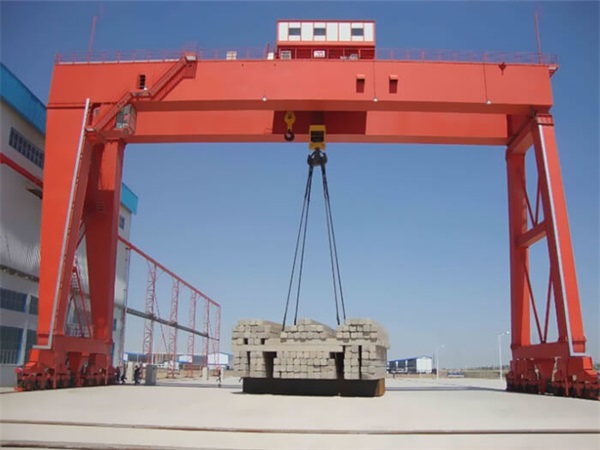
Winch Gantry Crane are used in open warehouses, windy areas, material stocks area, bridge building, concrete industry, cement plant, granite industry, construction industry, engineering industry, port, transportation, construction, dockyard, and other building sites for lifting and loading unloading objects.
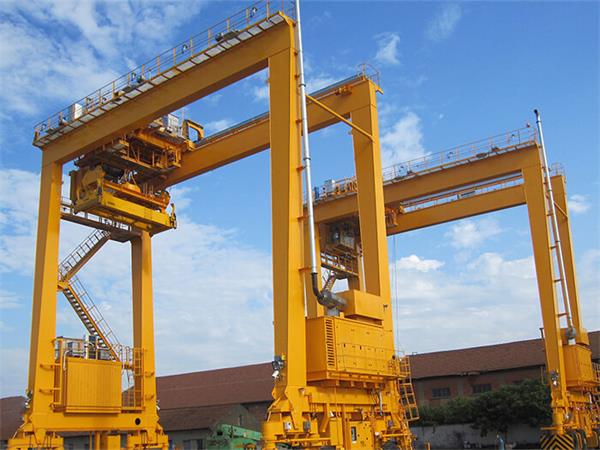
U Type Subway Turn Slag Hook Gantry Crane also known as subway slag flipping machine, slag flipping gantry crane, slag flipping gantry crane, etc., is a specialized gantry crane used for excavation in subway and tunnel construction projects.
We design cranes that meet your needs. Whether you need to increase safety, maximize production capacity or reliability, or reduce costs, we deliver.
