Compare electromagnetic lifting magnets, electro permanent magnets, and grab buckets for steel mills and scrap yards. Learn about safety, efficiency, energy consumption, and the best crane attachment for heavy material handling.
In heavy industries such as steel production, metal recycling, shipbuilding, and machinery manufacturing, selecting the right crane attachment directly affects production efficiency, operational safety, and maintenance costs.
During material handling operations, companies often face two major challenges:
How can heavy materials be lifted faster, and how can lifting safety be guaranteed under complex working conditions?
For different materials and working environments, three common lifting solutions are widely used:
Each technology has its own advantages and limitations.
Understanding the differences between these crane attachments helps steel mills, scrap yards, and industrial factories select the most suitable lifting solution.
An electromagnetic lifting magnet generates magnetic force through an electric coil.
When power is supplied:
When power is disconnected, the magnetic force disappears.
Electromagnetic magnets are widely used in scrap yards because they can quickly collect large amounts of steel materials.
They are especially suitable for:
Compared with mechanical grabbing methods, electromagnetic lifting provides faster operation because it does not require precise positioning or mechanical clamping.
A single electromagnetic magnet can handle different shapes and sizes of steel materials.
Operators can quickly move:
This makes electromagnetic magnets one of the most common lifting solutions in recycling yards.
Although electromagnetic magnets provide excellent efficiency, they also have limitations.
The lifting capacity depends greatly on contact conditions.
For irregular materials:
can reduce magnetic force significantly.
Traditional electromagnetic magnets require continuous electricity to maintain magnetic force.
This means:
Mechanical grab buckets use hydraulic or mechanical force to physically grip materials.
They are commonly used for:
Unlike magnetic lifting systems, grab buckets do not depend on magnetic properties.
They can handle:
For extremely uneven scrap piles, mechanical grabs often provide better holding performance.
Once the material is mechanically grabbed, the holding force does not depend on electrical power.
This provides certain advantages in environments where power supply is unstable.
However, grab buckets also have disadvantages:
With increasing requirements for safety and energy efficiency, electro permanent magnet technology has become an important development direction in heavy lifting applications.
An electro permanent magnet combines:
Electricity is only required during:
During lifting operations, the magnetic force remains stable even if the power supply is interrupted.
The biggest advantage is:
The magnetic force remains even during power failure.
Compared with traditional electromagnetic magnets, electro permanent magnets greatly reduce the risk of accidental load dropping.
This makes them ideal for lifting:
Because electricity is only required during magnetizing and demagnetizing processes:
Compared with traditional electromagnetic systems, energy savings can exceed 90% in suitable applications.
Electro permanent magnets do not require:
This improves long-term reliability.
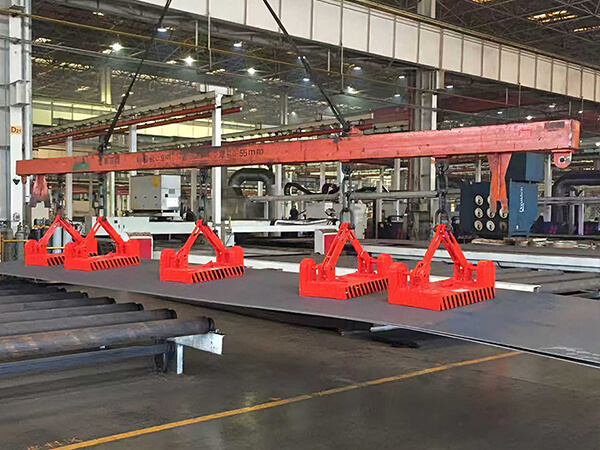
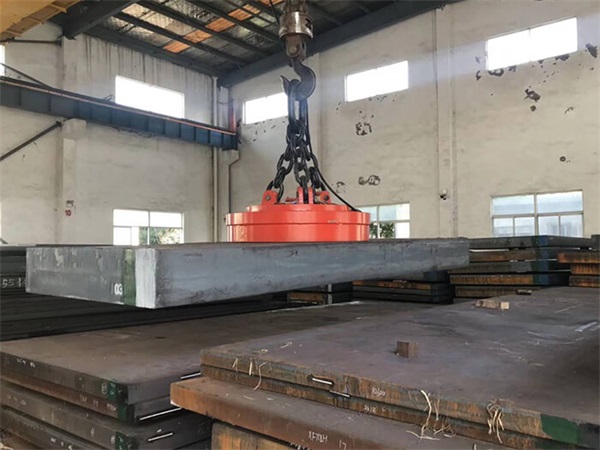
| Feature | Electromagnetic Magnet | Electro Permanent Magnet | Grab Bucket |
|---|---|---|---|
| Working Principle | Electric magnetic force | Permanent magnet + electric control | Mechanical gripping |
| Power Requirement | Continuous power | Only during switching | No electrical holding power |
| Power Failure Safety | Requires backup system | Very high safety | Mechanical holding |
| Energy Consumption | High | Very low | Medium |
| Handling Speed | Fast | Very fast | Medium |
| Best Material | Scrap steel, iron materials | Steel plates, heavy steel structures | Irregular bulk materials |
| Maintenance | Higher | Lower | Mechanical wear maintenance |
The correct lifting attachment depends on:
Consider:
Used for:
Used for:
Used for:
Used for:
Electromagnetic magnets, electro permanent magnets, and grab buckets each provide unique advantages for heavy material handling.
For high-efficiency scrap handling, electromagnetic magnets remain one of the most popular solutions.
For safety-critical steel lifting applications, electro permanent magnets provide higher reliability, lower energy consumption, and better protection against power failures.
For irregular and non-magnetic materials, mechanical grab buckets continue to be an effective choice.
By selecting the correct crane attachment according to material characteristics and working conditions, industrial companies can improve productivity, reduce operating costs, and create safer working environments.
An electromagnetic magnet requires continuous electricity to maintain magnetic force, while an electro permanent magnet only uses electricity during magnetizing and demagnetizing. The magnetic force remains after power interruption.
Electro permanent magnets are generally safer for steel plate lifting because they can maintain magnetic holding force during power failure.
No. Standard electromagnetic magnets are mainly designed for ferromagnetic materials such as iron and carbon steel. Most stainless steel grades cannot be lifted by ordinary electromagnetic systems.
Electromagnetic lifting magnets are commonly used for loose steel scrap because they provide fast and efficient material collection. Mechanical grabs are better for large irregular scrap pieces.
Using electro permanent magnets can significantly reduce energy consumption because electricity is only needed during switching operations rather than during the entire lifting process.
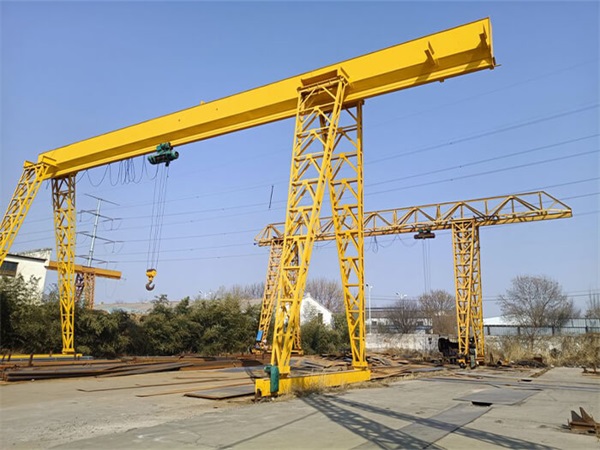
MH type electric hoist gantry crane is used together with CD MD model electric hoists.
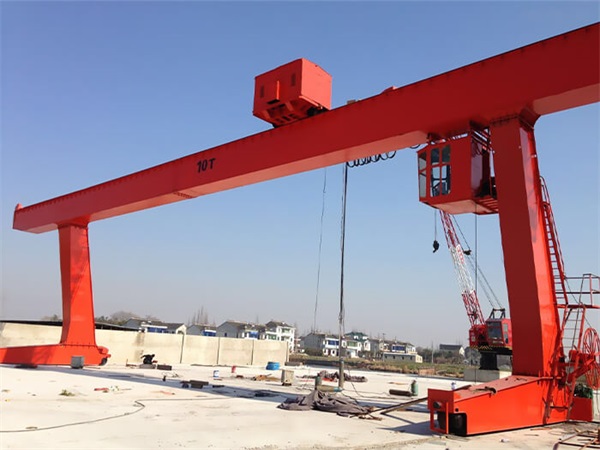
L Type electric hoist gantry crane match with CD1/ MD1, HC type Electric Wire rope hoist, to lifting and transporting the heavy materials, mainly use indoors and outdoors.
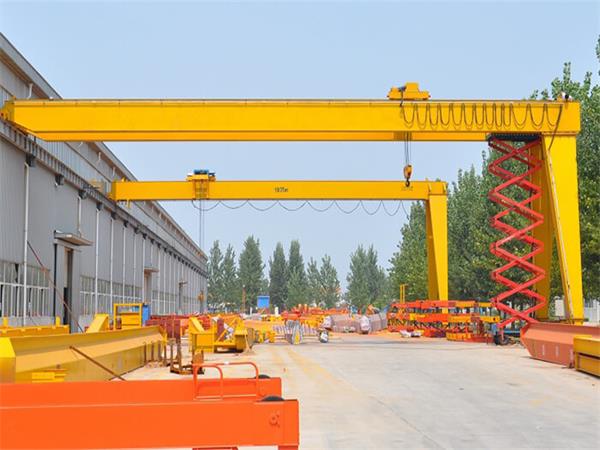
BMH Type Semi Gantry Crane is a bridge-type crane whose bridge is supported on the ground track through outriggers on both sides.
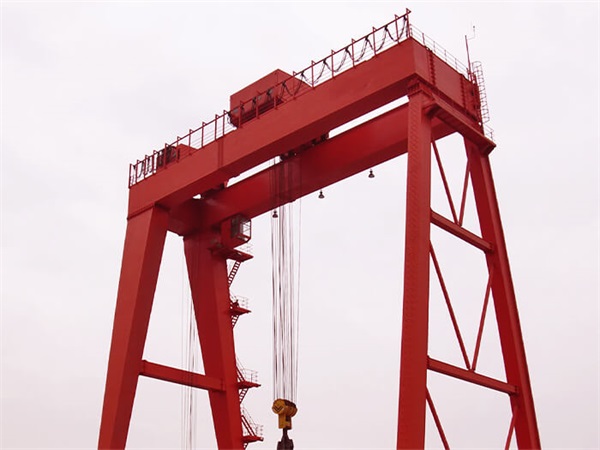
A-type Double Beam Hook Gantry Crane, It is mainly composed of a gantry (main beam, outriggers, lower beam, etc.), a lifting mechanism, a running mechanism and an electronic control part.
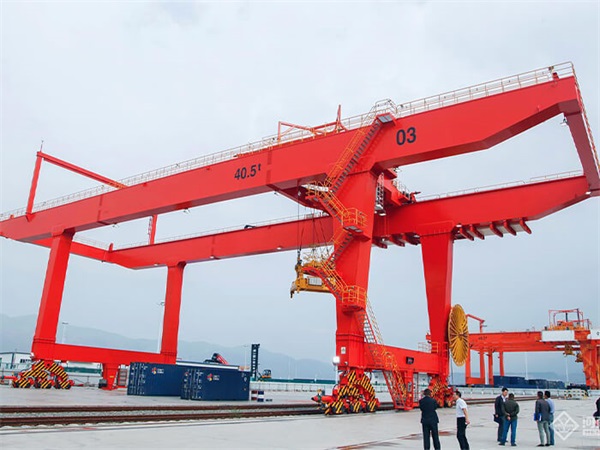
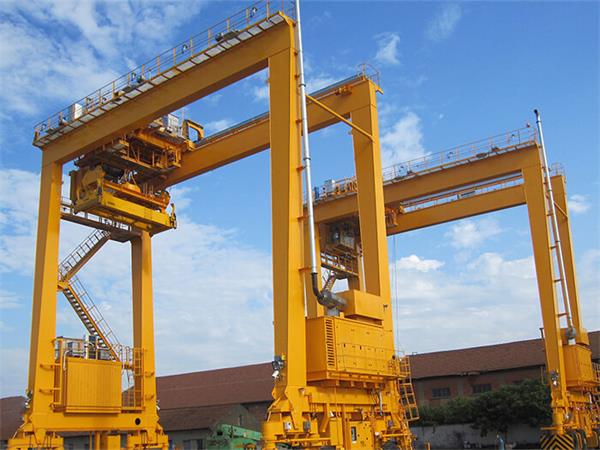
The rail-mounted container gantry crane (English abbreviation RMG) is one of the special machines for container yards.
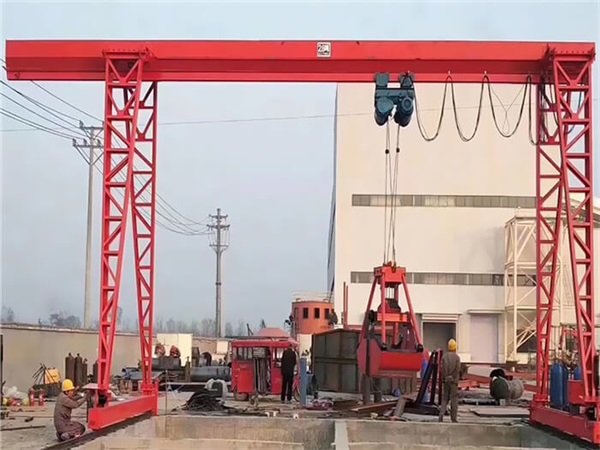
MZ Type Double-beam Grab Gantry Crane are mainly used in conjunction with bridge cranes, port cranes, and winches. They are widely used in ports, power plants, docks, chemical industries, etc. to grab various types of loose accumulations, such as ore, coal, slag, etc.
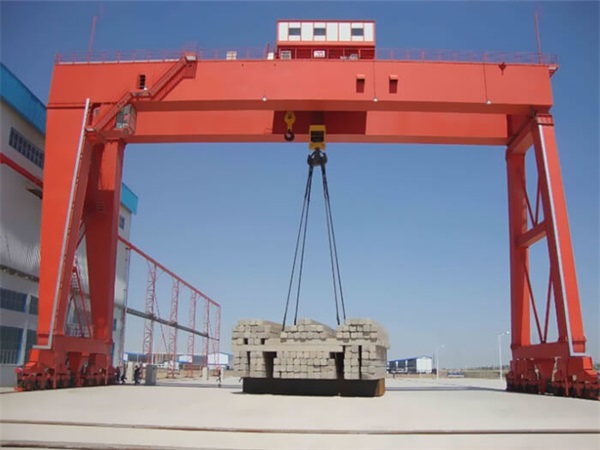
Winch Gantry Crane are used in open warehouses, windy areas, material stocks area, bridge building, concrete industry, cement plant, granite industry, construction industry, engineering industry, port, transportation, construction, dockyard, and other building sites for lifting and loading unloading objects.
U Type Subway Turn Slag Hook Gantry Crane also known as subway slag flipping machine, slag flipping gantry crane, slag flipping gantry crane, etc., is a specialized gantry crane used for excavation in subway and tunnel construction projects.
We design cranes that meet your needs. Whether you need to increase safety, maximize production capacity or reliability, or reduce costs, we deliver.
