RTG (Rubber Tyred Gantry Crane) is the abbreviation for a rubber tyred container gantry crane. Using rubber tyres as its traveling mechanism, it does not require fixed rails and offers excellent mobility and flexibility.
With its large span and strong stacking capability (typically stacking containers 5–7 layers high), RTG cranes are widely used in ports, railway freight yards, and logistics terminals for container loading, unloading, stacking, and transfer operations. They are essential equipment for improving logistics efficiency.
The power source of an RTG crane is no longer limited to a single type. With technological development, multiple power systems have emerged to meet different operational requirements, environmental standards, and energy-efficiency goals.
A diesel internal combustion engine drives a hydraulic pump or generator, converting mechanical energy into hydraulic or electrical energy to power the traveling, hoisting, and trolley mechanisms.
Traditional diesel-powered RTG cranes are commonly used in early-stage ports and large outdoor container yards where environmental requirements are relatively low and fixed power infrastructure is difficult to install.
Large-capacity rechargeable batteries provide energy, and electric motors directly drive all operating mechanisms to achieve zero-emission operation.
Battery-powered RTG cranes are ideal for medium-sized container yards, environmentally regulated ports, and locations with convenient charging conditions and moderate operational intensity.
Hybrid RTG cranes combine diesel engines with energy storage systems such as batteries or supercapacitors. Intelligent control systems optimize energy distribution:
Hybrid RTG cranes are suitable for large ports and high-intensity container yards where environmental standards are important but full electrification is not yet practical.
Some RTG cranes operating within fixed areas can connect to the electrical grid through retractable cable reels. This reduces diesel or battery consumption but limits operational movement range.
A small number of pilot projects use hydrogen fuel cell technology. Electricity is generated through chemical reactions, and water is the only emission. Although highly environmentally friendly, large-scale adoption is currently limited by hydrogen storage and refueling infrastructure.
The power source of rubber tyred gantry cranes is gradually transitioning from traditional diesel engines to electrified and low-carbon solutions. Pure electric battery-powered systems and hybrid power systems have become the main development directions in the industry.
The choice of power mode depends on several factors, including operational intensity, environmental requirements, site conditions, and budget considerations.
For example:
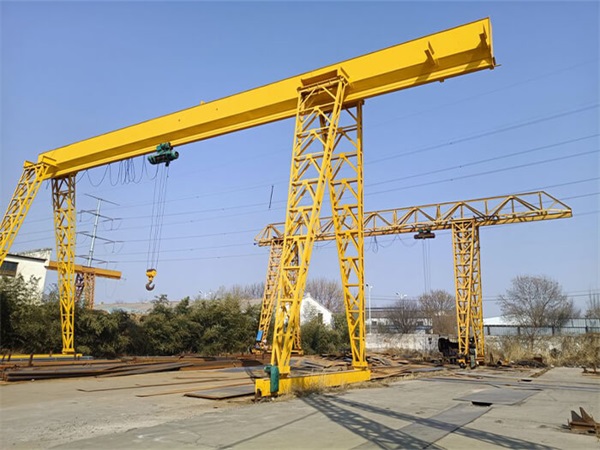
MH type electric hoist gantry crane is used together with CD MD model electric hoists.
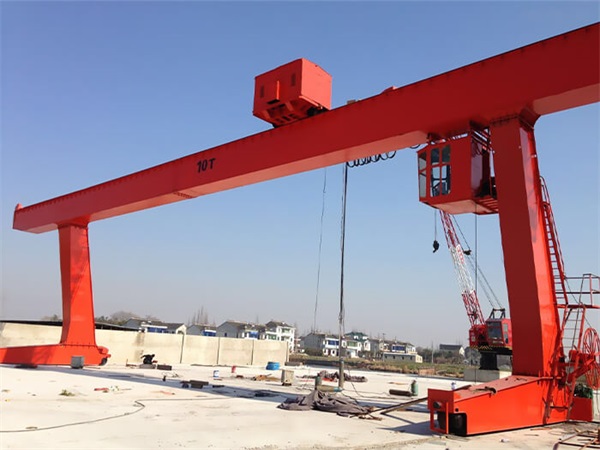
L Type electric hoist gantry crane match with CD1/ MD1, HC type Electric Wire rope hoist, to lifting and transporting the heavy materials, mainly use indoors and outdoors.
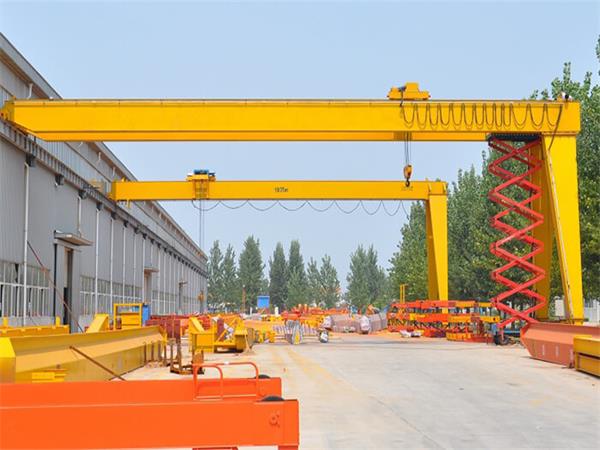
BMH Type Semi Gantry Crane is a bridge-type crane whose bridge is supported on the ground track through outriggers on both sides.
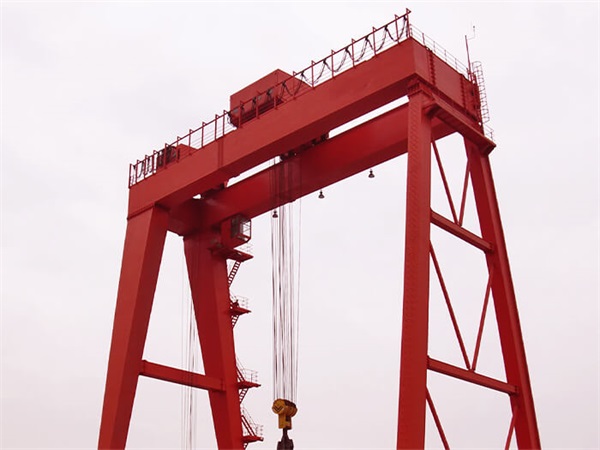
A-type Double Beam Hook Gantry Crane, It is mainly composed of a gantry (main beam, outriggers, lower beam, etc.), a lifting mechanism, a running mechanism and an electronic control part.
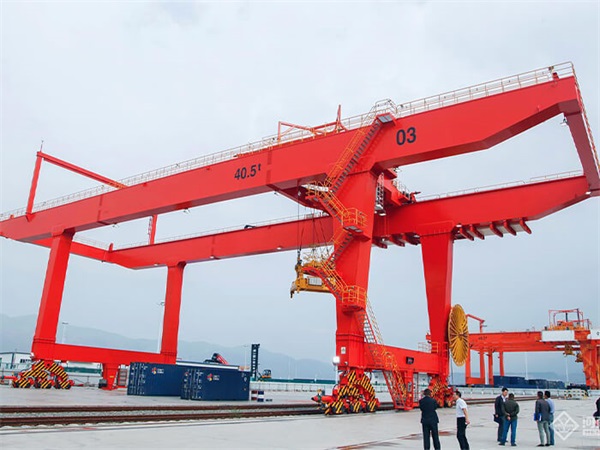
The rail-mounted container gantry crane (English abbreviation RMG) is one of the special machines for container yards.
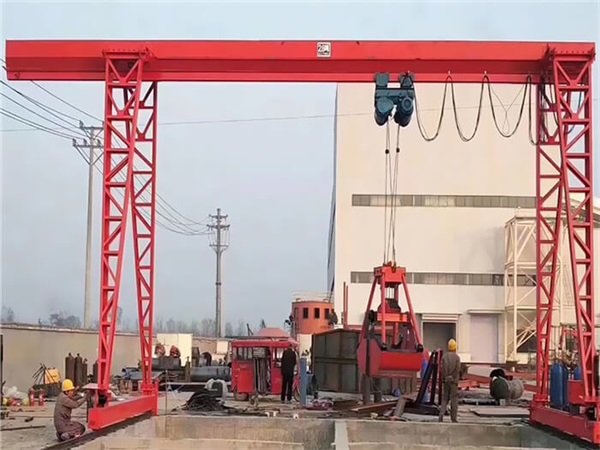
MZ Type Double-beam Grab Gantry Crane are mainly used in conjunction with bridge cranes, port cranes, and winches. They are widely used in ports, power plants, docks, chemical industries, etc. to grab various types of loose accumulations, such as ore, coal, slag, etc.
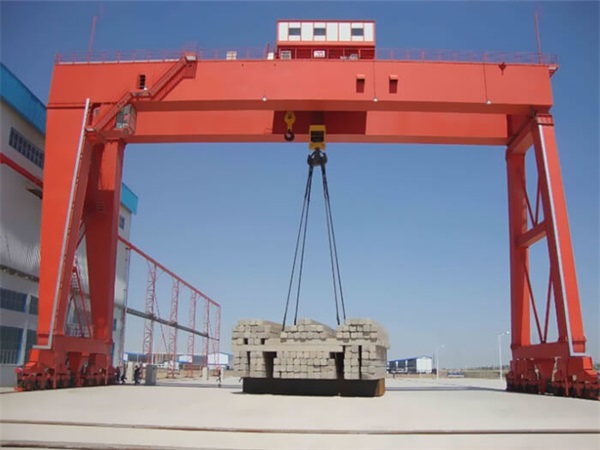
Winch Gantry Crane are used in open warehouses, windy areas, material stocks area, bridge building, concrete industry, cement plant, granite industry, construction industry, engineering industry, port, transportation, construction, dockyard, and other building sites for lifting and loading unloading objects.
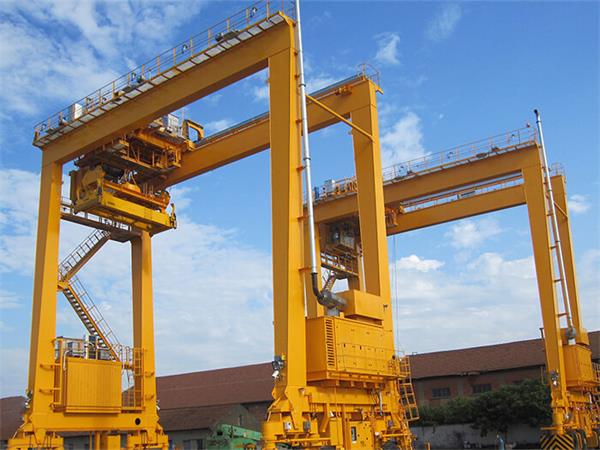
U Type Subway Turn Slag Hook Gantry Crane also known as subway slag flipping machine, slag flipping gantry crane, slag flipping gantry crane, etc., is a specialized gantry crane used for excavation in subway and tunnel construction projects.
We design cranes that meet your needs. Whether you need to increase safety, maximize production capacity or reliability, or reduce costs, we deliver.
