When specifying or purchasing an overhead crane, understanding key technical terms is critical. These terms directly affect crane performance, safety, and suitability for your project.
This guide explains the most important overhead crane terminology in a clear and practical way.
If you are planning a crane project, we can help you select the right configuration based on your workshop and lifting requirements. Contact us for a fast and professional quotation.
Crane capacity refers to the maximum load the crane can safely lift.
Important notes:
According to safety standards, cranes must never be loaded beyond their rated capacity except during testing.
Choosing the correct capacity is essential to ensure safety and long-term reliability.
Long travel refers to the movement of the crane bridge along the runway rails.
This determines how the crane moves forward and backward within the workshop.
Cross travel is the side-to-side movement of the trolley across the bridge.
It allows the load to move horizontally across the working area.
Hook height is the maximum vertical position the hook can reach.
It directly affects:
Effective lift is calculated based on available space minus hoist size.
Runway height is the distance from the ground level to the top of the crane rail.
This dimension is important for crane installation and structural design.
Side clearance is the distance between the crane rail centerline and the building column.
Proper clearance ensures:
Vertical clearance refers to the available space above the crane.
It ensures the crane can operate without hitting:
Lower headroom cranes allow better use of building height.
Span is the horizontal distance between the runway rails.
It determines the coverage width of the crane.
A proper span ensures full coverage of the working area while maintaining structural efficiency.
Runway length is the total travel distance of the crane along the building.
It defines the operational coverage along the workshop length.
Hook approach is the closest distance the hook can reach to the wall.
Smaller hook approach means:
End approach is the minimum distance between the crane structure and the hook position along the runway.
It affects how close the crane can operate near the ends.
Crane speeds include:
These are usually measured in FPM (feet per minute).
For better control:
Typical electrical specifications include:
Control voltage is kept low for operator safety.
Knowing these terms helps you:
Not sure about your crane specifications? Send us your project details, and our engineers will recommend the most suitable solution.
We provide customized overhead crane solutions tailored to your project.
Our advantages:
Contact us today and get a quotation within 24 hours.
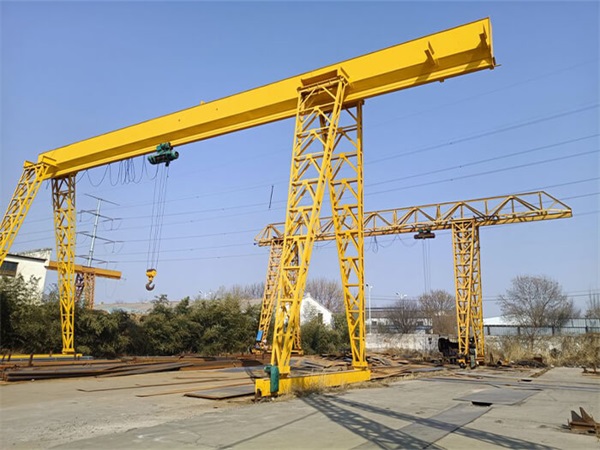
MH type electric hoist gantry crane is used together with CD MD model electric hoists.
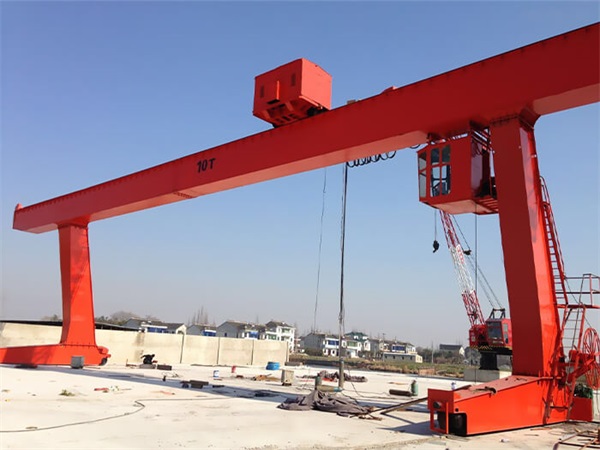
L Type electric hoist gantry crane match with CD1/ MD1, HC type Electric Wire rope hoist, to lifting and transporting the heavy materials, mainly use indoors and outdoors.
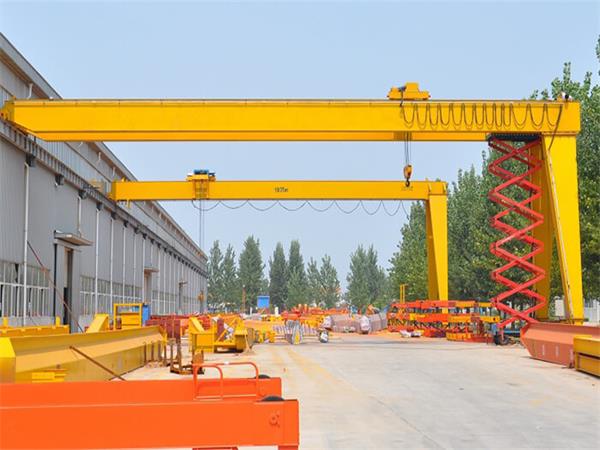
BMH Type Semi Gantry Crane is a bridge-type crane whose bridge is supported on the ground track through outriggers on both sides.
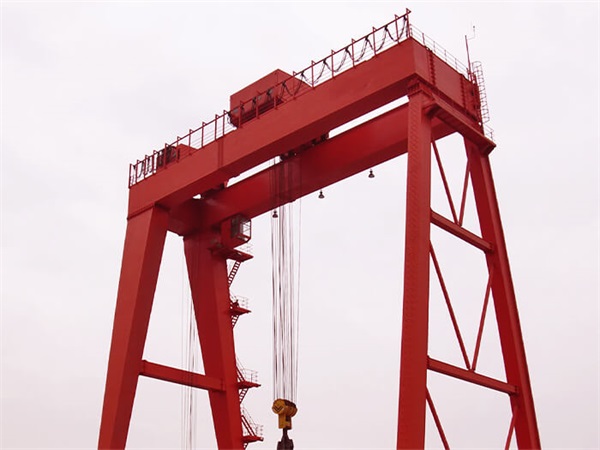
A-type Double Beam Hook Gantry Crane, It is mainly composed of a gantry (main beam, outriggers, lower beam, etc.), a lifting mechanism, a running mechanism and an electronic control part.
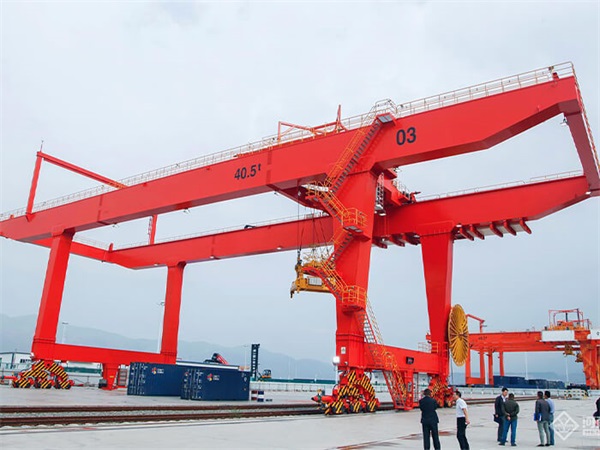
The rail-mounted container gantry crane (English abbreviation RMG) is one of the special machines for container yards.
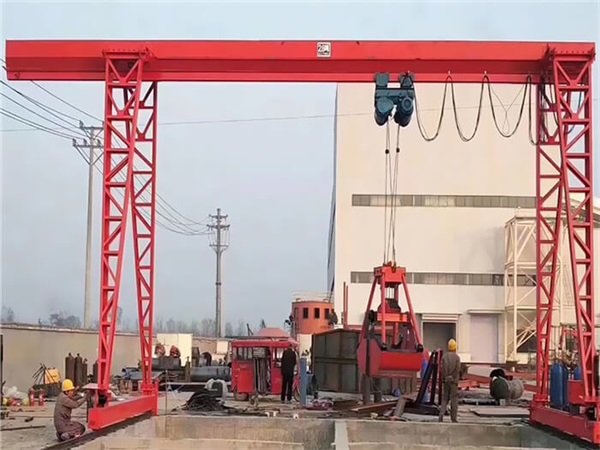
MZ Type Double-beam Grab Gantry Crane are mainly used in conjunction with bridge cranes, port cranes, and winches. They are widely used in ports, power plants, docks, chemical industries, etc. to grab various types of loose accumulations, such as ore, coal, slag, etc.
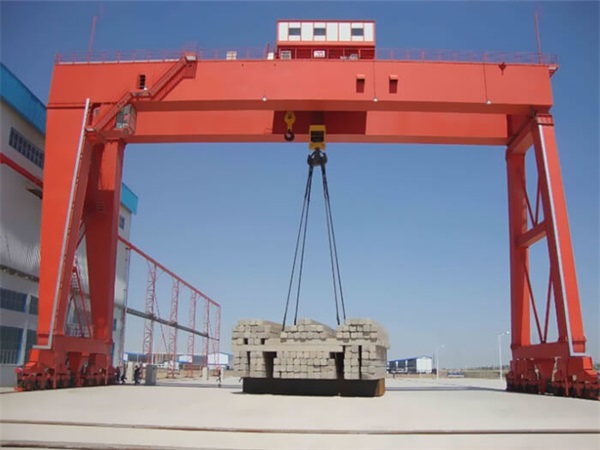
Winch Gantry Crane are used in open warehouses, windy areas, material stocks area, bridge building, concrete industry, cement plant, granite industry, construction industry, engineering industry, port, transportation, construction, dockyard, and other building sites for lifting and loading unloading objects.
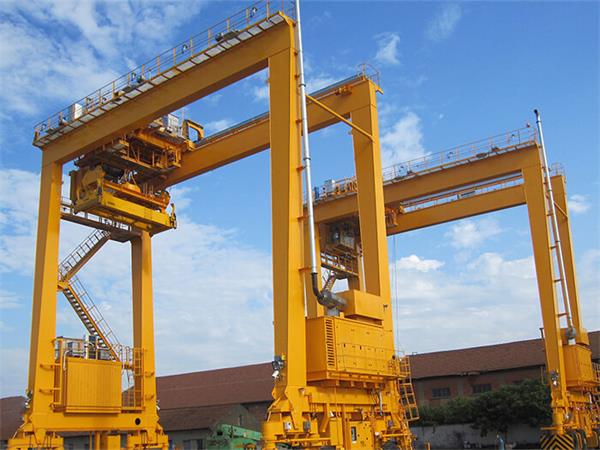
U Type Subway Turn Slag Hook Gantry Crane also known as subway slag flipping machine, slag flipping gantry crane, slag flipping gantry crane, etc., is a specialized gantry crane used for excavation in subway and tunnel construction projects.
We design cranes that meet your needs. Whether you need to increase safety, maximize production capacity or reliability, or reduce costs, we deliver.
